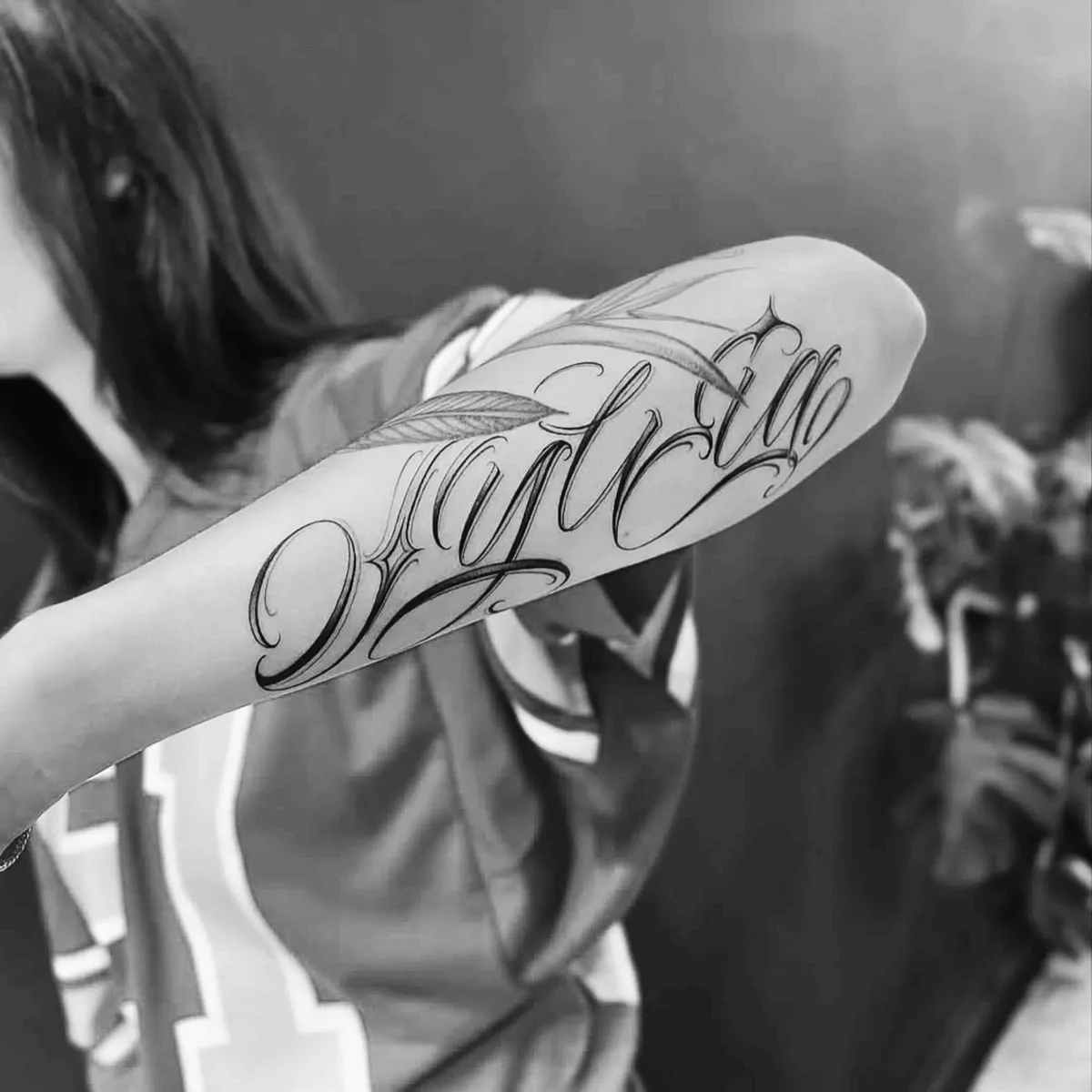
For a lot of people, the word touch-up sets off a small alarm, the sense that something has gone wrong, that the tattoo was not done properly. In reality, a touch-up is a normal, expected part of how some pieces settle. Skin is a living thing, healing is never perfectly even, and a small fix here or there is simply the last step in finishing a piece to the standard it deserves. Here is what a touch-up actually is, why it is sometimes needed, and how the process works.
What a touch-up actually is
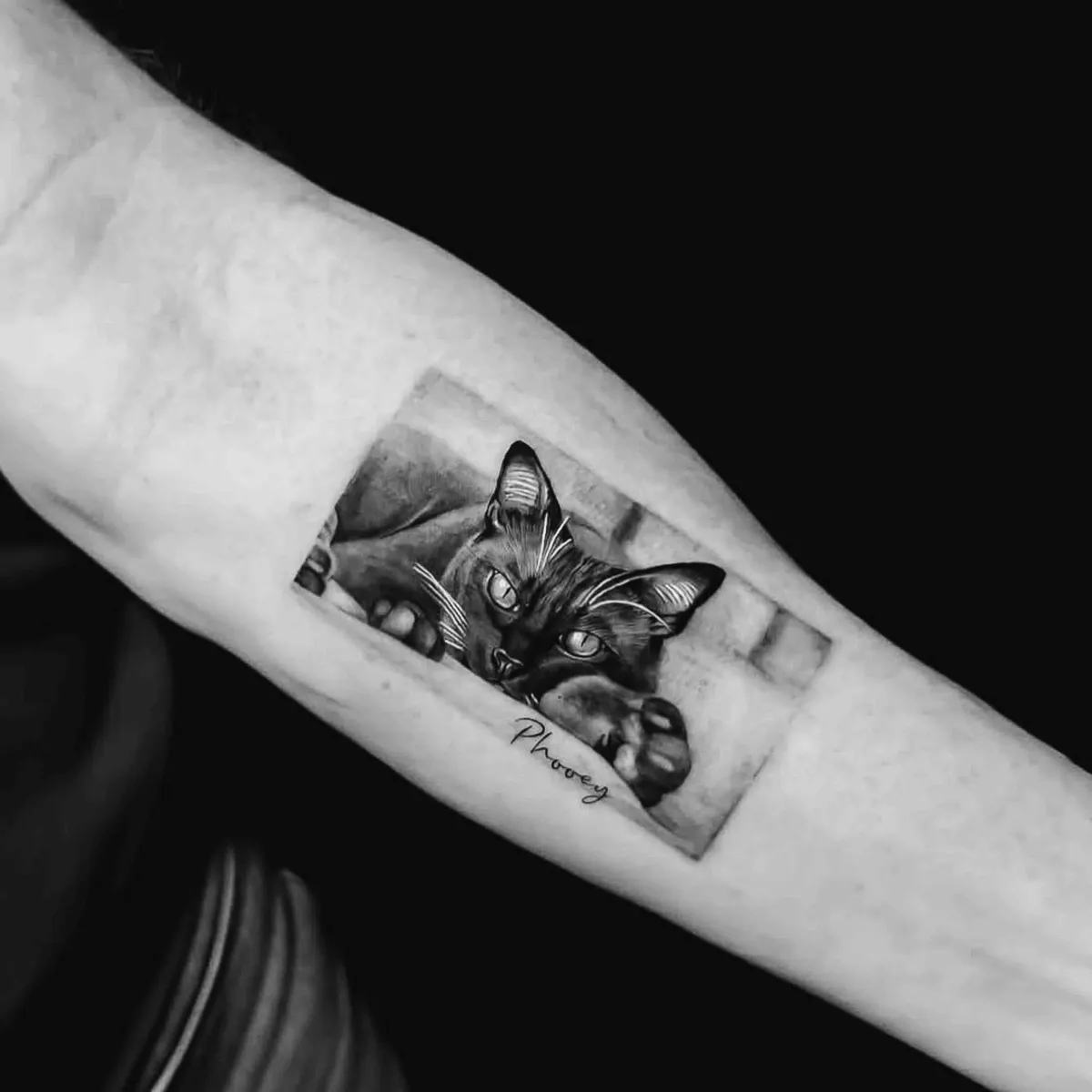
A touch-up is a short follow-up session where your artist goes back over a healed tattoo to refine it, topping up a patch where the ink has lifted, sharpening a line that has softened, or evening out an area of shading that healed a little lighter than the rest. It is not a redo, and it is not a sign of poor work. It is the considered final pass that brings a piece up to its full strength once the skin has settled and shown its hand.
The key word is healed. A touch-up only happens once the tattoo has fully recovered, usually a good few weeks after the original session, because only then can you see the true, settled result. Judging a tattoo while it is still peeling and milky tells you nothing; the finished colour and crispness only appear once your skin has done its work.
A touch-up is not a redo, it is the last considered pass that brings a healed piece up to its full strength.
Why ink sometimes drops out
Even with a clean session and careful aftercare, small spots of ink can fail to take. There is nothing mysterious about it, it is the body healing imperfectly, which is what bodies do. A few of the common reasons a patch lifts:
- An early scab came off too soon. If a scab is knocked or picked before it is ready, it can take a little ink with it, leaving a faint gap.
- The placement moves a lot. Spots that flex and rub constantly, hands, fingers, feet, elbows, the inside of the wrist, are simply harder to heal evenly.
- Your skin healed its own way. Some skin holds ink beautifully and some is more stubborn in places; it is rarely something you did wrong.
- The piece pushed into delicate territory. Very fine detail or pale colours over a difficult area can need a second pass to read fully.
None of these mean the original work was rushed. A good artist expects a small percentage of pieces to want a touch-up and plans for it as part of finishing the job well.
When a touch-up is genuinely worth booking
The honest answer is: when the healed result asks for it, not before. Wait until your tattoo has properly settled, then take a calm look in good daylight. If a line has gone patchy, a section of solid black has healed grey and uneven, or a small area of colour has dropped out, those are the things a touch-up addresses cleanly.
What does not need a touch-up is the ordinary character of a healed tattoo, a hair of natural softening, the slight settling that every piece goes through, the way fine line work mellows a touch as it ages. That is the tattoo living on your skin, not a fault. If you are unsure what you are looking at, send your artist a clear, well-lit photo. They will tell you honestly whether it wants attention or whether it has healed exactly as it should. For a steer on what is normal versus what is not, our guide to tattoo healing is a useful companion.
The right time to come back in
Timing matters. Come in too early, while the skin is still healing, and you risk working over an area that has not finished recovering, which helps nobody and can irritate skin that was almost there. The sensible window is once the tattoo is fully healed, when the surface is smooth, the flaking is long gone, and the true colour has come up. Your artist will give you a feel for the right moment for your particular piece and placement.
There is no rush. A touch-up done a little later on settled, healthy skin will always beat one done early on skin that has not finished its job. If life gets busy and a few extra weeks pass, that is completely fine, the tattoo will be ready and waiting.
Wait until the skin is fully settled, the true result only shows once healing is properly done.
What the session itself is like
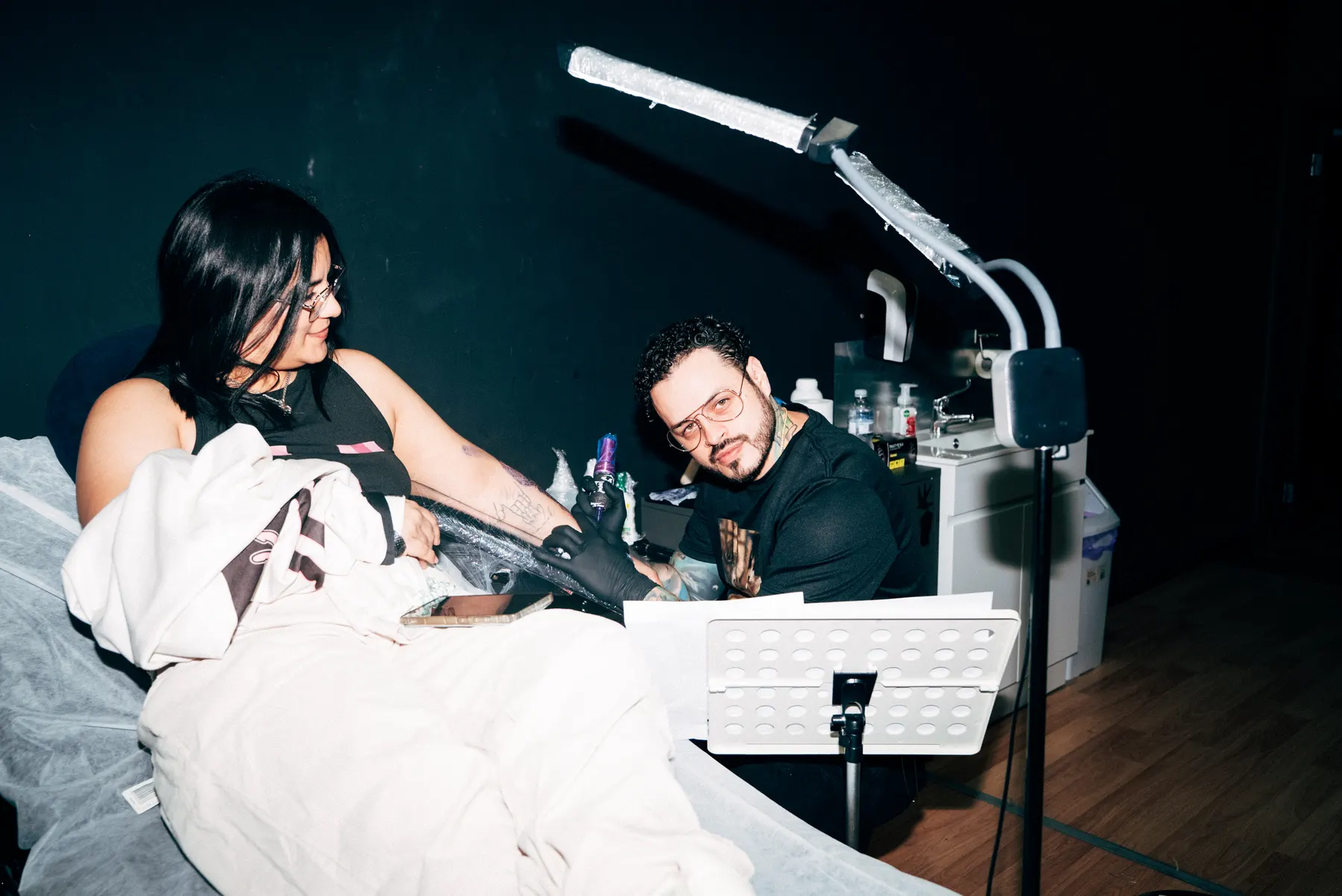
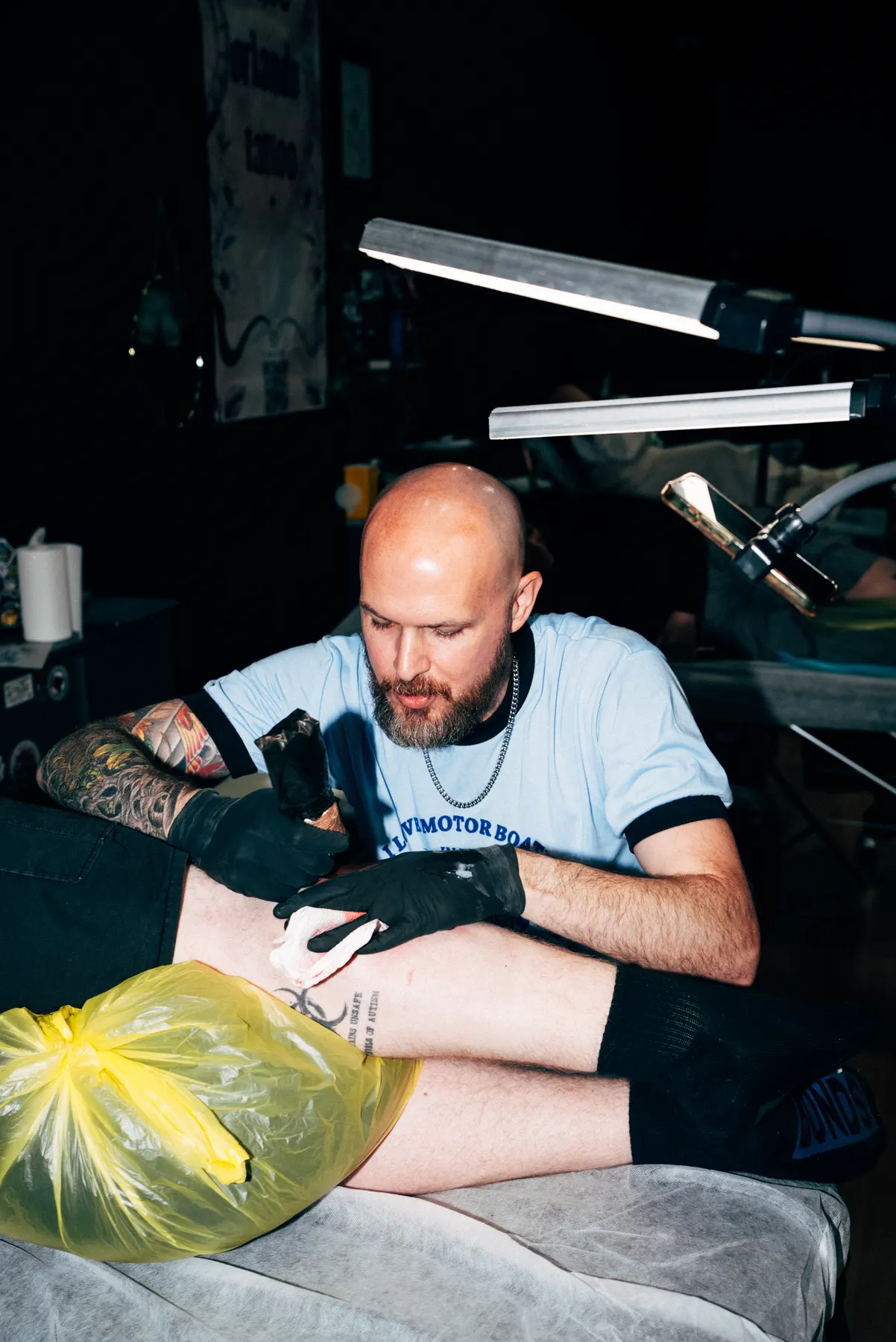
A touch-up is usually a short, low-key visit, often far quicker than the original sitting. Your artist works only the areas that need it, so it can be a matter of minutes rather than hours, depending on how much there is to refine. The sensation is the same as any tattooing, but because the area is smaller and the work is brief, most people find it an easy sit.
Afterwards, you care for the touched-up area exactly as you did the first time around, keep it clean, moisturise lightly, and let it heal without fuss. Treat that small patch like a fresh tattoo, because that is what it is, and follow the same aftercare you know. If you want a refresher, our day-by-day aftercare guide walks through every stage.
Touch-ups and our promise to you
At Full Moon Tattoo, we see a touch-up as part of finishing a piece properly, not an afterthought. We have built our craft on Chapel Street in Prahran for more than fifteen years, and we want every tattoo that leaves our chair to be one we are proud of for the long run, which sometimes means inviting you back in for a quick refine once it has healed. If your piece settles and a patch wants attention, talk to us; we would always rather make it right than leave it.
The best touch-up, of course, is the one you never need, and that starts with good healing. Follow the aftercare your artist gives you, keep your hands off any scabs, and give the tattoo the calm fortnight it asks for. Do that and most pieces heal beautifully on the first pass.
One last note on care: general advice like this is about appearance and finish, not medical treatment. A touch-up is for a healed tattoo that has simply lost a little ink, it is not the answer to a tattoo that is not healing right. If a piece shows signs of infection such as spreading redness, heat, swelling or pus, do not wait for a touch-up; see a doctor.