People tend to arrive with the design settled and the placement still up in the air, or the other way around, with a spot in mind and no idea what should go there. Both are fine starting points. But where a tattoo lives shapes how it reads, how it ages and how it feels to live with, every bit as much as what it shows. A piece that sits beautifully on the forearm can look cramped on the wrist and lost across the back. The right placement is the one where the design, the body and your own life all agree. Here is how we think it through.
Let the design and the body shape each other
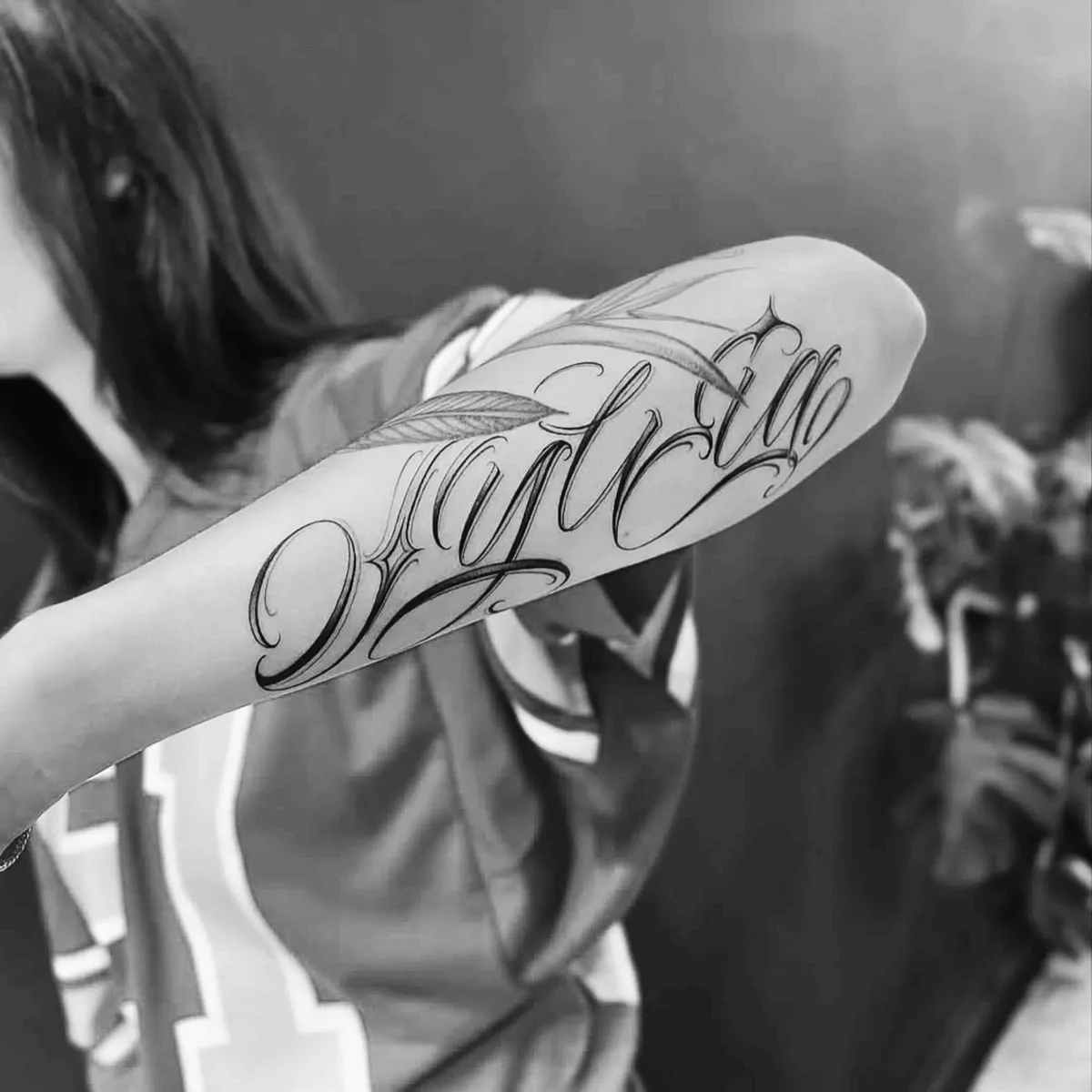
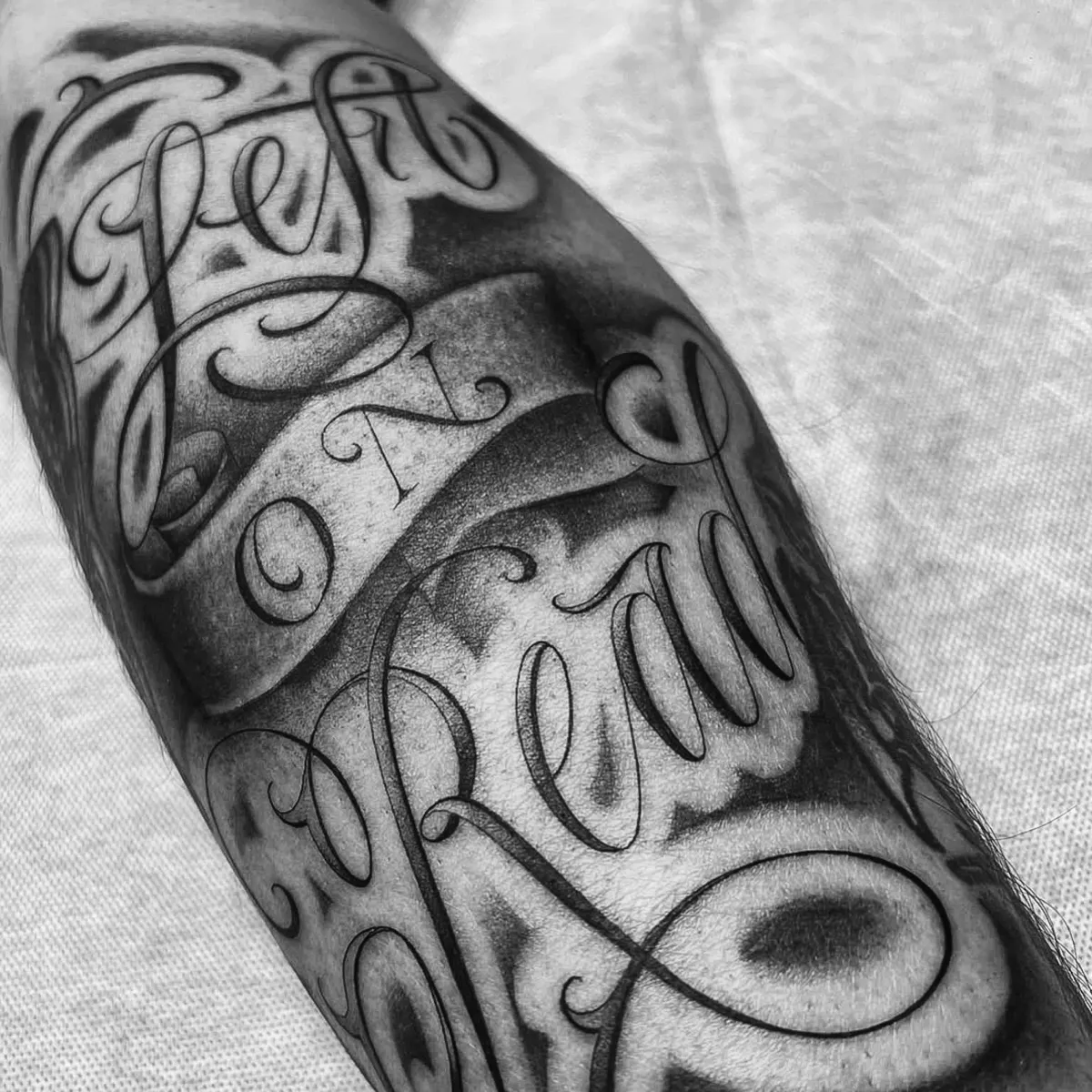
The first thing we look at is the conversation between the artwork and the part of the body it will sit on. The human form is all curves, tapers and lines of movement, the sweep of a forearm, the round of a shoulder, the long run of a calf, and a tattoo that follows those lines always looks more natural than one dropped on as if the skin were flat paper. A piece with vertical momentum, like a length of script or a botanical stem, wants a vertical home such as the forearm or the outer thigh. Something round and contained, like a portrait or a single emblem, sits happily inside the natural frame of a shoulder or a calf.
Size is part of the same question. Fine, delicate detail needs enough room to breathe and read, squeeze it too small and the lines blur into one another over time. Bold, simple work can go almost anywhere. Bring us the idea before you fix the location, and we will tell you honestly where it will sing and where it will struggle.
The best placement is the one where the design, the body and your life all quietly agree.
Pain and skin: where the body is more sensitive
Some areas are simply more tender than others, and it is worth knowing the rough map before you choose. As a general rule, the more padding of muscle or fat between skin and bone, the more comfortable the sitting. The outer arm, the thigh, the calf and the forearm tend to be among the kinder places. Spots over bone or where the skin is thin, ribs, the spine, the sternum, hands, feet, the inner wrist and around the elbow or knee, carry more sensation.
This is not a reason to avoid a placement you love. Plenty of people sit beautifully through the tenderer areas, and a good artist will pace the work to suit. But it is worth weighing, especially for a first tattoo or a long piece. If the spot you want is a sensitive one, knowing that in advance lets you prepare properly, our notes on staying calm in the chair are a good companion read. Everyone's skin and tolerance differ, so treat any pain map as a guide rather than a rule.
How placement affects ageing
A tattoo lives on living skin, and where it sits influences how gracefully it ages. Areas that take constant friction, stretch or sun fade and soften faster than sheltered ones. Hands, fingers and feet rub against everything and see a lot of washing, so they tend to need touch-ups sooner. Skin that stretches and folds a great deal, the inner elbow, areas prone to changing with weight, can shift fine detail over the years. And anywhere routinely exposed to the Australian sun will fade unless it is protected.
None of this rules those spots out; it simply means choosing the design to match. A bolder, simpler piece holds up far better in a high-wear area than fine, intricate linework. If you have your heart set on a hard-working placement, we will steer the design so it ages well there. For the longer view, our guide on how tattoos age over time goes deeper into keeping ink crisp for the long run.
Match the design to the spot, and a tattoo can age gracefully for decades wherever you choose to wear it.
Visibility: how seen do you want it?
Beyond the body, there is your life to think about. How visible do you want this tattoo to be, day to day? Some people want their work on show, the forearm, the hand, the neck. Others prefer a piece that is theirs alone, easily covered by a shirt or trousers. Both are completely valid; the only mistake is not deciding on purpose.
It is worth a thought about work and the practical rhythm of your week, too. Many workplaces are relaxed about visible ink now, but some still are not, and a placement that can be covered when needed gives you flexibility without compromising the piece. If you are unsure, a spot like the upper arm, shoulder or thigh is a graceful middle ground, visible when you choose, private when you do not. There is no need to limit yourself, only to choose with open eyes.
Thinking ahead to future work
Even if today's piece is a one-off, it is wise to choose its place with a little room to breathe. Tattoos have a way of leading to more tattoos, and a design jammed into the only good spot on a limb can box in everything that might follow. We often suggest leaving a clean margin around a new piece so a future tattoo can sit alongside it, or grow into something larger, without the two feeling crowded.
This matters most if a sleeve or a larger composition might be somewhere on the horizon. Planning the anchor pieces first, with the whole limb in mind, gives any future work a natural framework to build into. If that is even a faint possibility, say so at your consultation and we will plan placement accordingly. Our guide to planning a sleeve covers that bigger-picture thinking in full.
See it on your skin before you commit
The surest way to settle a placement is to see it on your own body before any ink goes in. At the studio we use a stencil to position the design exactly where it will sit, then hand you a mirror so you can look at it from every angle, in your own posture and movement. It is remarkable how often the perfect spot on paper wants to shift a few centimetres once it is on real skin, and a few minutes adjusting the stencil is far better than a lifetime of "almost right". We never rush this part.
Bring it to a consultation
Placement is one of the most rewarding things to talk through with your artist, because it is where craft meets your everyday life. Come in with your idea, an open mind and any questions, and we will walk through how each option flows with your body, how it will age, how visible it will be and how it leaves room for whatever comes next. There is no single correct answer, only the placement that is right for this design, on you. Take the time to get it right, and you will be glad of it for years.
A closing note on care: wherever you place your tattoo, general guidance like this is no substitute for medical advice. Follow the aftercare your artist gives you, and if a healing tattoo shows signs of infection such as spreading redness, heat, swelling or pus, see a doctor.